Sitting Through a Tattoo Inking Session Is Easier When Your Body Isn’t Fighting Back

A tattoo asks something physical of you long before the design is finished. Your skin, your nerves and your patience all stay involved for the full duration of the sitting. Some people barely register the needle while others count every minute of the inflicted pain. Knowing why that gap exists makes the whole process feel far less unpredictable and a lot more manageable.
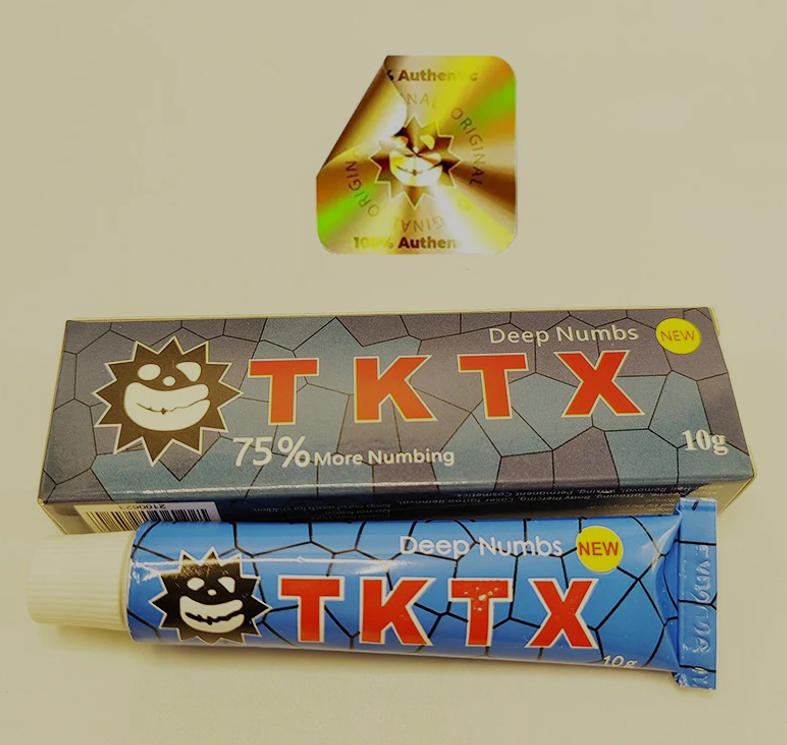
Pain is rarely consistent from one person to the next, which is why preparation matters more than raw willpower. A good tattoo numbing cream gives you a steadier, calmer base to work from during longer or more detailed pieces. It never alters your design, yet it clearly changes how your body copes while the artist does their job.
Your Pain Threshold Is Not The Same As Anyone Else’s
Nerves And Genetics Shape Your Response: Pain perception lives in your nervous system, not in the ink itself. Nerve density varies across the body and between individuals, so two people can describe the identical spot in completely different ways. Genetics, sleep quality and stress levels all nudge that reaction, and none of it reflects any weakness on your part.
Why A Topical Approach Helps Most People: Because the discomfort begins at the skin, treating the skin directly tends to work best. A topical anaesthetic quietens the signals travelling from the surface before they build into something distracting. Applied correctly and within the recommended timing, it lets your body settle rather than brace itself against every single pass of the needle.
Hydration and Rest Change the Day: What you do beforehand counts for more than people expect. Turning up dehydrated, tired or anxious lowers your tolerance and makes the same needle feel sharper. A decent meal, a full night of sleep and steady breathing give your body a fair chance to handle the session without slipping into panic early on.
Some Spots On Your Body Simply Hurt More
Bone and Thin Skin Raise the Stakes: Areas with little fat and very thin skin tend to be the most demanding to tattoo. Ribs, ankles, hands and the spine sit close to bone or carry dense nerve clusters underneath. These zones are popular for striking work, which means the needle often lingers longer exactly where you feel it the most.
Long Sessions Ask More Of Your Skin: Time on the chair changes how your skin behaves throughout a sitting. Inflammation rises, sensitivity climbs and the area becomes far harder to hold still. Products relying on percutaneous absorption work beneath the surface, calming a region for a defined window so a lengthy outline feels far less punishing than it otherwise would.
Spots That Usually Need Extra Preparation:
- Ribs and sternum, where thin tissue sits directly over hard bone.
- Inner forearm and elbow ditch, both packed with sensitive nerve endings.
- Feet, ankles and hands, which react sharply to repeated needle passes.
- Spine and shoulder blades, awkward to keep still for long stretches.
When You Flinch The Whole Session Suffers
Movement Works Against Clean Line Work: Every flinch shifts the very canvas the artist is working on. A sudden twitch can drag a line, smudge shading or force the artist to slow right down and rework an area. Holding a position while your muscles tense up is harder than it sounds, and tiny movements quietly add up across an hour.
Tension Tires You Out Faster: Bracing for pain drains you more than the needle ever does. Clenched muscles, shallow breathing and a racing pulse leave you worn out well before the piece is finished. That fatigue often pushes people to cut a session short, which means extra appointments, more healing cycles and a result that drags on for weeks.
Short Sittings Cost You More Later: Stopping early rarely saves anything in the long run. Each fresh appointment restarts the discomfort, adds another recovery period and stretches your budget further than planned. A body that stays calmer for longer lets the artist cover more ground safely, so you reach the finished design with fewer trips back to the studio.
Calm Skin Lets The Artist Do Their Best Work
A Steady Body Means Steady Detail: When your body stays relaxed, the artist gains a stable surface and can focus fully on precision. Crisp lines and even shading become far easier to achieve at a consistent depth. You sit more comfortably, breathe normally and let the work progress at a natural pace instead of constantly fighting the chair beneath you.
Comfort Supports Better Healing: A calmer session can help the hours that follow as well. Less clenching and less stress moving through your system tend to leave you in a more settled state once the work ends. You walk away with a finished piece you genuinely enjoyed sitting for, rather than one you simply gritted through.
Trust Builds When Pain Drops: Comfort also changes how you feel about the studio itself. When a sitting goes smoothly, you book the next stage without dread and follow the aftercare advice properly. That relationship between a relaxed client and a focused artist is exactly what produces the kind of work you stay genuinely happy with.
See also: Why Lens Technology Matters More Than Most Riders Think
Walk In Ready, Walk Out Proud
Your body does not have to be the obstacle between you and the tattoo you actually want. Pain varies and long sittings test everyone, yet sensible preparation puts control back in your hands. Treat your skin kindly, plan your timing and give yourself the calmest possible start. Explore the right numbing option today and turn your next session into one you look forward to.