Collaborative Fashion Projects Explained

Collaborative fashion projects reorganize ownership around shared risk, resources, and expertise. They map who decides, who contributes, and how timelines and budgets are managed. Governance favors transparency, co-authored milestones, and clear success criteria, while preserving individual autonomy. The value emerges through process, stewardship, and iterative testing, guided by sustainability and accessibility goals. A curatorial lens shapes ethical outcomes and impact, inviting readers to consider their own role within these evolving collaborations.
What Collaborative Fashion Projects Are and Why They Matter
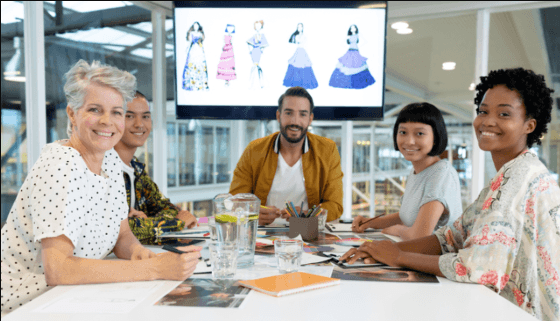
Collaborative fashion projects unite designers, brands, artisans, and communities to share resources, risks, and expertise in pursuit of innovative outcomes.
They map collaboration dynamics and reveal how participant roles shape decision making, risk tolerance, and creative direction.
Through open exchange, they reframe value beyond ownership, emphasizing process, shared stewardship, and emergent solutions that honor diverse expertise and collective experimentation.
How These Collaborations Happen: Roles, Parties, and Processes
How do these collaborations take shape across a network of actors, interests, and constraints? They unfold through defined roles, negotiated responsibilities, and transparent processes. Governance shapes decisions; stakeholders map contributions, risks, and rewards. Parties co-create timelines, budgets, and criteria for success, balancing creative ambition with feasibility. Collaboration governance and stakeholder mapping enable collective accountability, iterative feedback, and shared ownership without eroding individual autonomy.
Measuring Impact: Innovation, Sustainability, and Accessibility
Measuring impact in collaborative fashion projects centers on how innovation, sustainability, and accessibility are defined, tracked, and interpreted across diverse stakeholders.
The analysis maps innovation metrics and sustainability benchmarks onto collaborative outcomes, revealing where value emerges beyond aesthetics.
A curatorial lens highlights process fidelity, ethical considerations, and inclusive participation, inviting ongoing dialogue about performance, adaptation, and shared responsibility within a freer, collective imagination.
Real-World Formats and Next Steps for Participation
Real-World Formats and Next Steps for Participation examines how collaborative fashion initiatives translate from concept to practice, outlining concrete formats that enable inclusive engagement across diverse actors. By mapping collaborative workflows and clarifying stakeholder dynamics, the piece identifies actionable structures, from open studios to co-design labs, that empower participation, foster transparency, and sustain momentum while maintaining a curatorial, analytical, and freedom-loving tonal balance.
Frequently Asked Questions
How Do Designers Set Ethical Guidelines for Collaborations?
Designers set ethical guidelines through transparent frameworks, documenting expectations, accountability metrics, and stakeholder input; they prioritize ethical sourcing and inclusive labor standards, auditing practices, and continuous collaboration to align values with creative ambitions and responsible production.
What Funding Models Support Cross-Brand Fashion Projects?
Funding models for cross-brand partnerships exist, including joint ventures, co-branding fees, milestone-based grants, and revenue-sharing agreements. These models enable collaboration while preserving autonomy, curating experimentation, and supporting scalable projects that align with a freedom-seeking, evaluative audience.
Can Community Members Influence Collaboration Outcomes?
One interesting statistic notes that 68% of community-driven fashion collaborations report enhanced brand trust through shared decision-making; community members can influence collaboration outcomes, though governance structures vary. This reveals community impact and collaboration governance shape creative directions and accountability.
See also: Home Improvement Trends That Are Taking Over This Year
What Legal Considerations Protect Co-Created Fashion Works?
Co created works enjoy protection under copyright and contract law, with licensing agreements clarifying ownership, use, and revenue. The curator emphasizes collaborative intent, fair attribution, and access rights, balancing creativity and freedom while mitigating disputes through precise, enforceable terms.
How Are Intellectual Property Rights Shared in Joint Collections?
Intellectual property rights in joint collections are typically shared according to collaboration agreements, detailing ownership, usage licenses, and revenue splits; this requires clear guidelines for designers, distribution channels, and governing terms to support experimentation, protection, and collective freedom.
Conclusion
Collaborative fashion projects reveal a discipline in which ownership yields to stewardship. The theory that shared risk catalyzes more radical creativity holds upon close inspection: transparent governance, co-authored milestones, and inclusive decision plots tend to expand both scope and accountability. Yet success remains contingent on clear curatorial intent, durable metrics, and genuine participant agency. When processes are openly documented and iterated, the resulting ecosystems balance innovation with ethics, accessibility, and sustainability, shaping outcomes that endure beyond individual brands.