How Custom Labels Influence Customer Confidence Before a Product Is Used

Purchasing can happen faster than many believe. The last few steps of the buying process happen fast. While buying a big ticket may take weeks of research, we buy many products within a moment of looking at them.
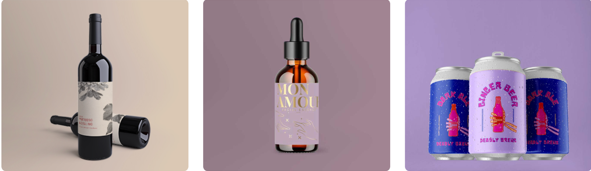
Are you reading the description, looking at the image or feeling satisfied and trusting from what you see? Custom labels Australia often holds more influence over purchasing decisions than people or businesses would have suspected. A custom product label communicates more than your product or business name. It tells people quality and care go into the process, that your business is professional and trustworthy. People will judge products they have never touched based on a visual presentation of the product.
Therefore, an attractive and well-created label adds an element of trust, while a poorly crafted label, regardless of product quality, may instill a negative impression.
First Impressions Happen Before the Product Is Tested
A customer could not at first know how a product would perform using it. Before they use a cosmetic product, eat a certain food, try cleaning supplies or install an apparatus they often depend upon sight alone to do a pre assessment. The first place to search would be on the label.
The well presented, professionally designed packaging may seem more persuasive to the users than a label that features some messy designs, bad print, or some unreadable content. It does not guarantee the superiority of the product itself, but presentation certainly plays a big role, especially in a more competitive market, where lots of similar products are on the display shelf.
Customers Notice Details Even If They Don’t Realise It
Many purchasing decisions are influenced by details that customers never consciously analyse. They may not stop to think about the finish of a label, the quality of the printing, or the clarity of the layout. However, these elements still affect how the product is perceived.
When custom labels Australia feels organised, professional, and easy to understand, customers often associate those qualities with the product itself. On the other hand, if information appears cluttered, colours look inconsistent, or the overall presentation feels rushed, confidence can decline. People often assume that the same level of care shown in the packaging reflects the care taken during manufacturing and product development.
See also: Best External Storage Devices
Clear Information Builds Trust
A label’s appearance is important, but so is the information it contains. Customers want to understand what they are buying without having to search for basic details. Product descriptions, instructions, ingredients, warnings, and other important information should be presented clearly and logically.
When information is easy to find and easy to read, customers feel more confident in their purchasing decisions. Confusing layouts, overcrowded designs, or poorly organised content can create uncertainty. Even when the information is technically present, customers may become frustrated if they cannot locate it quickly. A label that communicates clearly helps remove doubts and supports informed decision-making.
Quality Labels Support Brand Credibility
Trust is difficult to earn and easy to lose. For businesses introducing new products or competing in crowded markets, credibility plays a major role in customer acquisition and retention. Labels contribute to this credibility by helping create a consistent and professional brand image.
When customers encounter products with high-quality labels, they often perceive the business as organised and reliable. Consistency across product lines reinforces this impression. Over time, customers begin associating the brand with professionalism and attention to detail. While a label alone cannot guarantee loyalty, it can help create the positive first impression that encourages someone to give a product a chance.
Durability Influences Perceived Quality
Customer confidence does not stop at the point of purchase. Labels continue influencing perceptions throughout the life of the product. If a label begins peeling, fading, wrinkling, or becoming difficult to read shortly after purchase, customers may question the overall quality of the product.
Durability is particularly important for products that encounter moisture, frequent handling, refrigeration, transportation, or extended storage periods. A label that maintains its appearance helps reinforce confidence in the product and brand. Customers may never consciously praise a durable label, but they often notice when a label performs poorly. Reliability contributes to a better overall experience.
The Role of Materials and Finishes
Material selection affects both appearance and performance. Different label materials are designed for different applications, and choosing the appropriate option helps ensure the label performs as expected. A product intended for indoor retail display may have very different requirements from one used in industrial environments or exposed to moisture.
Finishes also influence perception. Gloss finishes can make colours appear more vibrant and attention-grabbing, while matte finishes often create a more understated and premium appearance. Neither option is automatically better than the other. The key is ensuring the finish aligns with the product’s intended image and practical requirements. Customers often interpret these visual signals as indicators of quality and professionalism.
Consistency Creates Familiarity
Customers are more likely to trust brands they recognise. Consistency in labelling helps build that recognition over time. When colours, typography, layouts, and design elements remain consistent across products, customers can identify the brand more easily.
This familiarity contributes to confidence because people generally feel more comfortable purchasing products from brands they recognise. Even if a customer is trying a new product within the same range, consistent labelling helps create a sense of continuity. It reassures them that the product comes from a business they already know and trust.
Labels Support More Than Marketing
Many people think of labels primarily as branding tools, but they also play an operational role. Barcodes, QR codes, batch numbers, and product identification information all contribute to inventory management, traceability, and logistics. While customers may not always see these functions, they indirectly benefit from them.
Accurate product information helps ensure customers receive the correct product, supports recalls if necessary, and improves supply chain efficiency. A well-designed custom label balances customer-facing communication with operational requirements. Both aspects contribute to the overall perception of professionalism and reliability.
Confidence Comes From Reducing Uncertainty
At its core, customer confidence is about reducing uncertainty. People want reassurance that they are making a good decision. They want products that appear trustworthy, information that is easy to understand, and packaging that reflects quality.
Custom labels help provide that reassurance. They communicate information, support brand identity, and create visual signals that influence how products are perceived. While labels cannot replace product performance, they often shape expectations before the product is used. Those expectations play an important role in the overall customer experience.
Final Thoughts
Custom labels influence customer confidence long before a product has the opportunity to prove itself. Through design, readability, material selection, durability, and consistency, labels help shape first impressions and build trust. Customers often rely on these visual and informational cues when deciding whether a product feels reliable, professional, and worth purchasing.
The most effective labels are those that balance appearance with functionality. They attract attention, communicate clearly, remain durable throughout the product’s lifecycle, and support a positive customer experience. In a competitive marketplace where first impressions matter, a well-executed custom label can help create confidence before the product is even taken off the shelf.