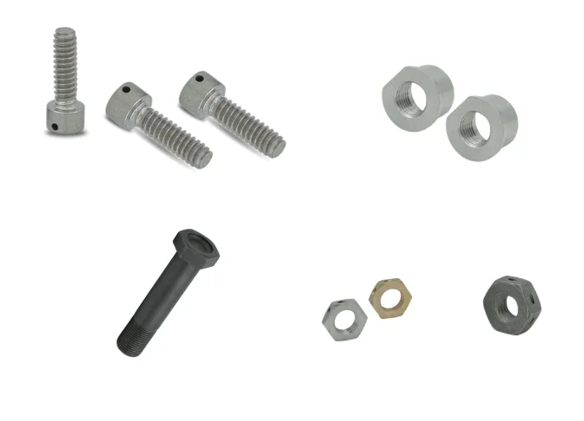
How Fasteners Help the Aerospace Industry Achieve Strength, Safety, and Reliability

When we think about the aerospace industry, the first things that usually come to our minds are aircraft, spacecraft, and advanced engineering systems. However, many small components work behind the scenes to make these structures safe and reliable. Among them, fasteners play a very important role. These components may appear simple, but they hold together critical parts exposed to extreme conditions.
If you have ever wondered how aircraft remain structurally secure despite constant vibration, pressure changes, and varying temperatures, the answer often lies in the quality of the fasteners being used. This is one reason aerospace fastener manufacturers follow strict standards when designing and producing fasteners for aerospace applications. Every fastener must meet demanding performance requirements to ensure long-term reliability and safety.
The aerospace sector depends heavily on precision engineering because even a minor issue can have significant consequences. From the aircraft fuselage to engine assemblies and interior components, fasteners are used throughout the structure. Understanding the importance of fastener selection can help engineers, maintenance professionals, and manufacturers make informed decisions that improve performance and reduce the risk of mechanical failure.
Why Fasteners Are Essential in Aerospace Applications
Fasteners are mechanical components that join two or more parts together. In aerospace applications, these components must withstand demanding operating conditions while maintaining structural integrity.
Aircraft experience constant movement, vibration, and pressure fluctuations during operation. Without properly selected fasteners, these forces could gradually weaken joints and connections. As a result, the durability and safety of the entire structure could be compromised.
This is why aerospace engineers place great emphasis on selecting fasteners that provide strength, stability, and resistance to environmental stress.
Unique Challenges Faced by Aerospace Fasteners
Unlike standard industrial applications, aerospace environments present several unique challenges. Fasteners must continue performing effectively despite exposure to demanding conditions.
Some of the most common challenges include:
- High vibration levels during flight
- Significant temperature fluctuations
- Constant pressure changes
- Exposure to moisture and corrosive environments
- Heavy mechanical loads
- Long service life requirements
Because of these factors, aerospace fasteners must be designed with exceptional precision and reliability.
Common Materials Used in Aerospace Fasteners
Material selection is one of the most important aspects of aerospace fastener design. Different materials offer different advantages depending on the application.
Titanium is often used because it provides excellent strength while remaining lightweight. This combination helps reduce the overall weight of the aircraft without sacrificing performance.
Stainless steel is another commonly used material due to its corrosion resistance and durability. In areas where high strength is required, alloy steel fasteners may also be used.
The choice of material depends on factors such as load requirements, environmental conditions, and expected service life.
See also: Best External Storage Devices
The Importance of Corrosion Resistance
Corrosion can significantly affect the performance of mechanical connections over time. Since aircraft operate in a variety of environmental conditions, corrosion protection becomes extremely important.
Moisture, humidity, and airborne contaminants can gradually damage metal surfaces if proper protection measures are not implemented. For this reason, aerospace fasteners often include protective coatings or are manufactured from corrosion-resistant materials.
By minimising corrosion, engineers can improve component lifespan and reduce maintenance requirements.
How Proper Installation Improves Performance
Even the highest-quality fastener may fail to perform correctly if it is not installed properly. Installation practices play a major role in ensuring secure and reliable connections.
Engineers carefully follow specified torque values during assembly. Applying too much force can damage the fastener, while insufficient force may result in loose connections.
Proper alignment and installation procedures help distribute loads evenly throughout the joint. This reduces stress concentrations and improves overall performance.
Regular inspections are also necessary to verify that fasteners remain secure throughout their service life.
The Role of Fasteners in Aircraft Safety
Safety remains the highest priority in aerospace engineering. Every component, regardless of its size, contributes to the overall reliability of the aircraft.
Fasteners help maintain the structural integrity of critical assemblies, including wings, fuselage sections, landing gear systems, and engine components. A properly secured joint ensures that loads are transferred effectively throughout the structure.
Because of this critical function, aerospace fasteners undergo extensive testing and quality inspections before they are approved for use.
Best Practices for Long-Term Reliability
Maintaining reliable fastened joints requires a combination of proper design, installation, and maintenance procedures.
Some important best practices include:
- Selecting materials suited to the operating environment
- Following the recommended torque specifications
- Conducting routine inspections
- Monitoring signs of wear and corrosion
- Replacing damaged fasteners promptly
- Using compatible materials to prevent galvanic corrosion
These practices help extend service life while reducing the likelihood of unexpected failures.
Final Thoughts
When discussing aerospace engineering, it is easy to focus on large and complex systems. However, small components often have a significant impact on overall performance. Fasteners are among the most important elements that maintain structural strength, reliability, and safety.
From handling vibration and temperature changes to supporting critical structural connections, aerospace fasteners perform demanding tasks every day. Understanding how these components function and why proper selection matters can help professionals improve the efficiency and longevity of aerospace systems.
As aerospace technology continues to evolve, the demand for high-performance fasteners will remain strong. By focusing on quality materials, proper installation techniques, and regular maintenance, engineers can ensure that these essential components continue delivering reliable performance for years to come.